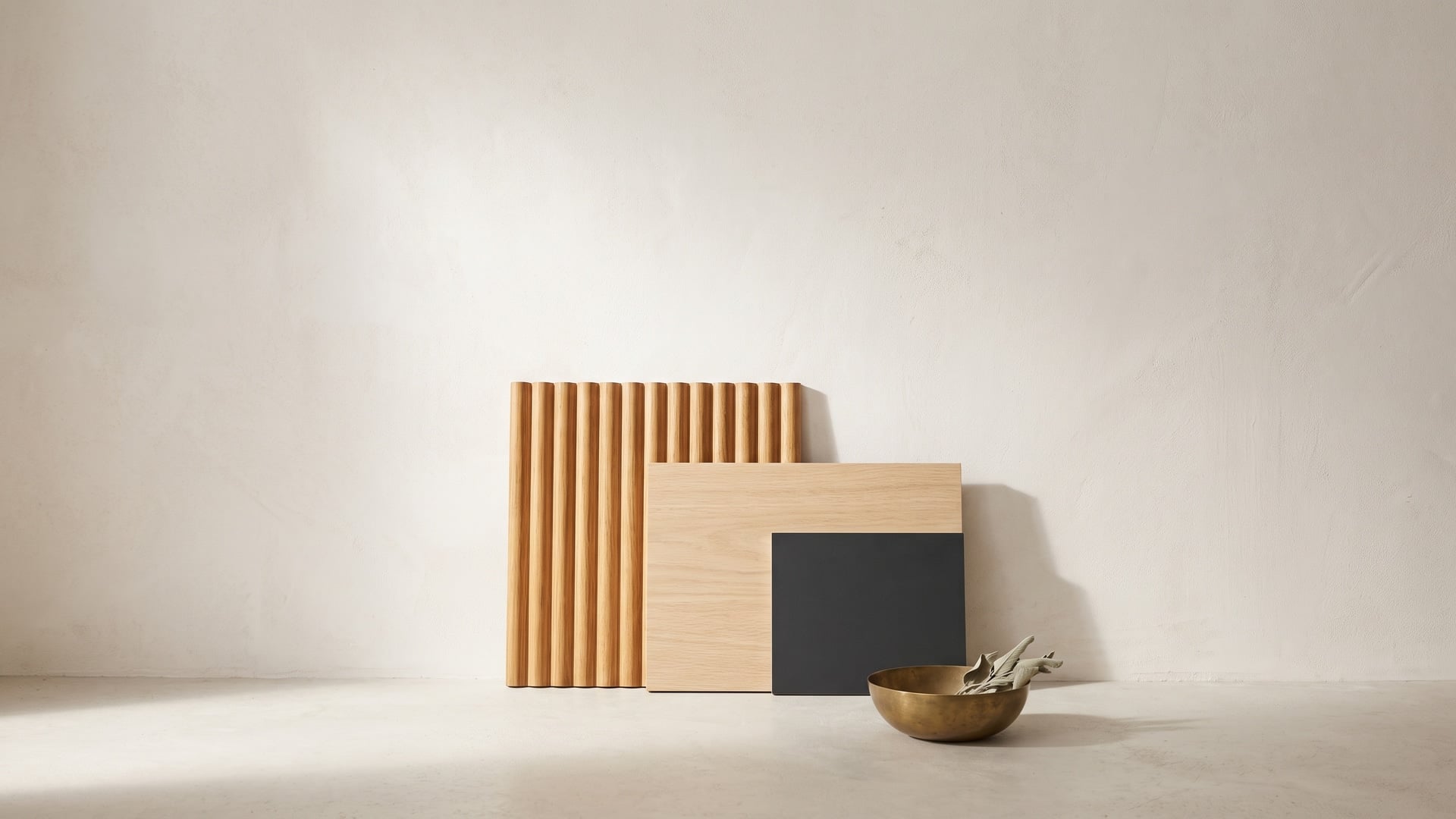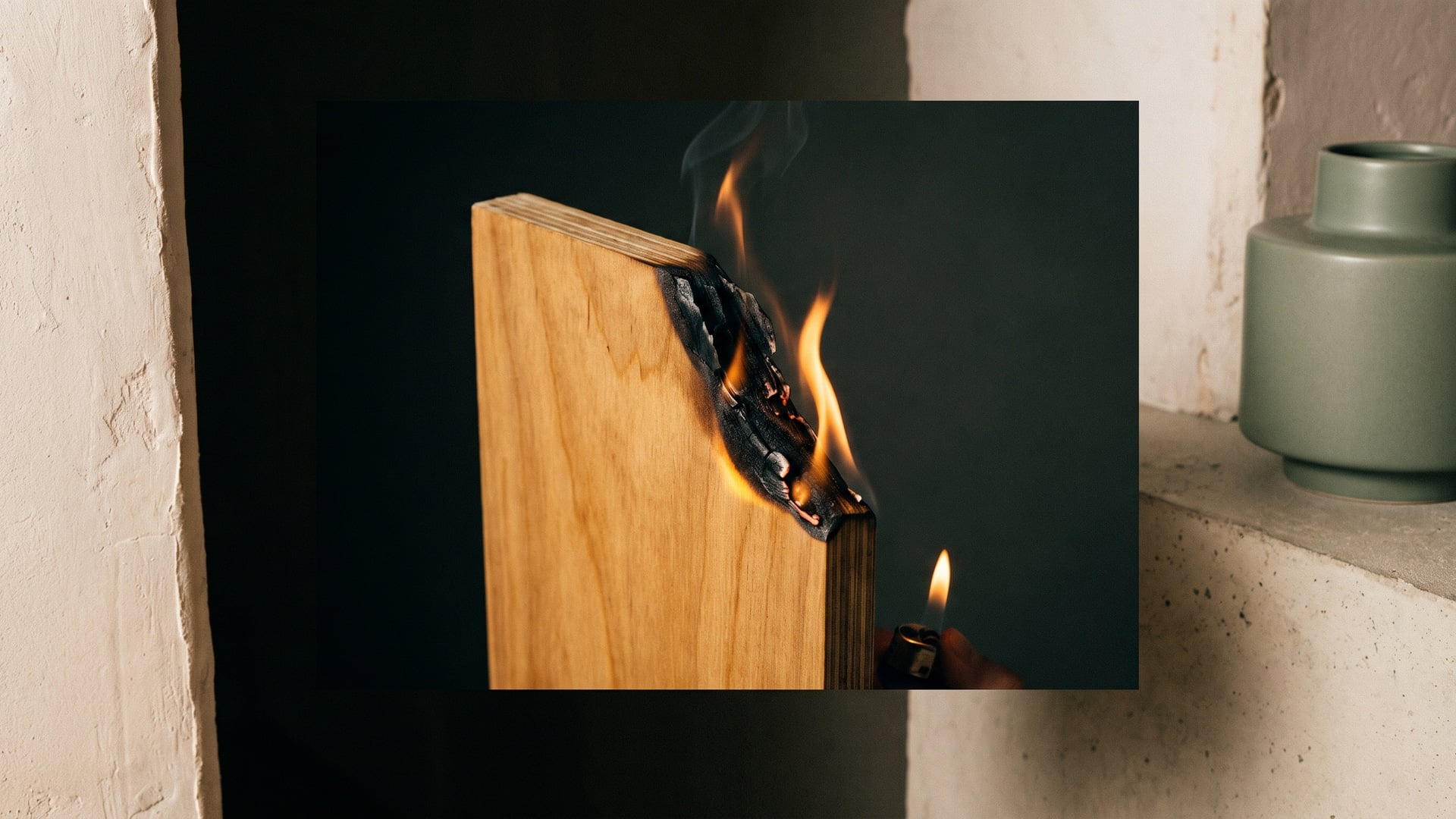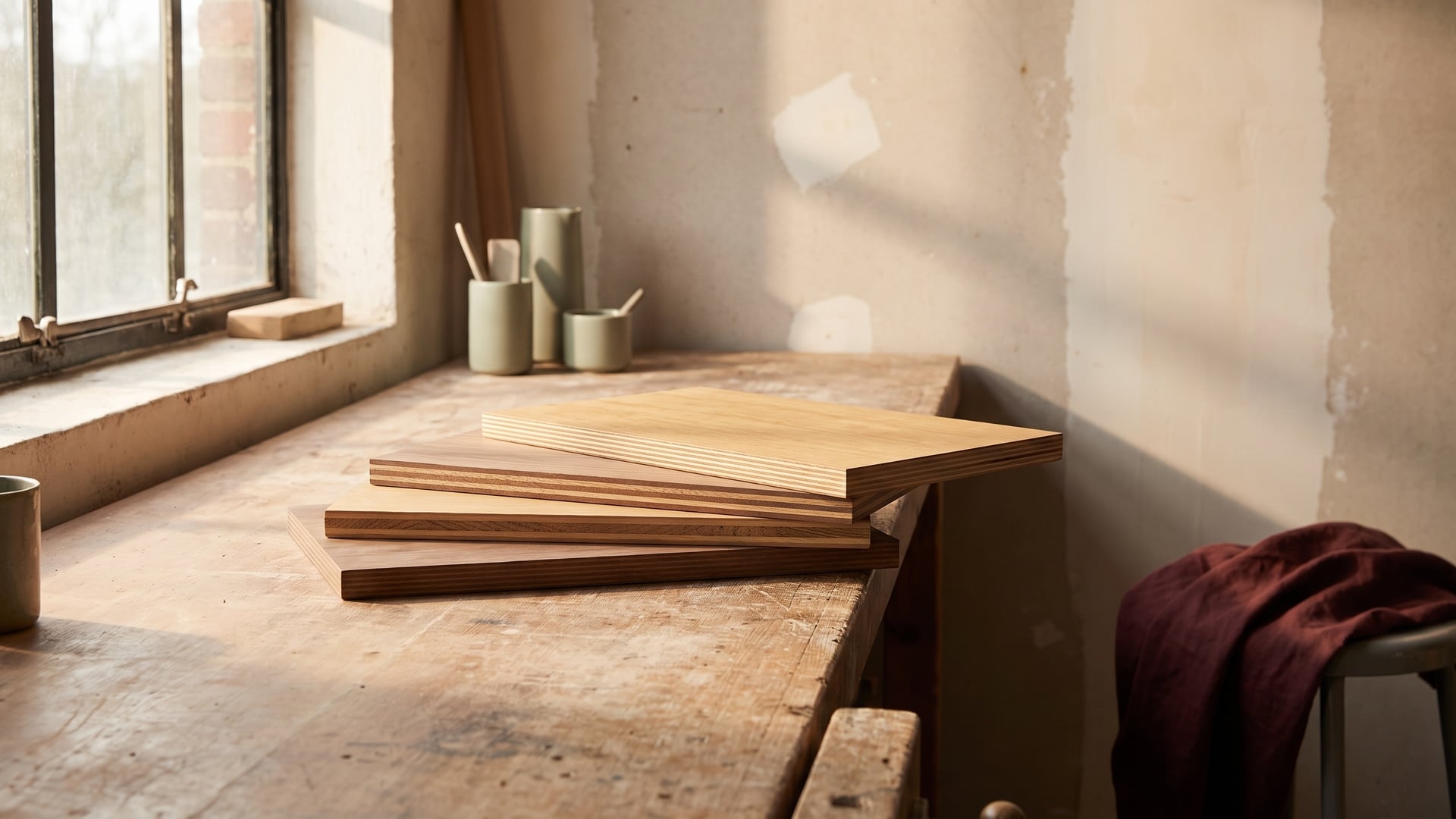
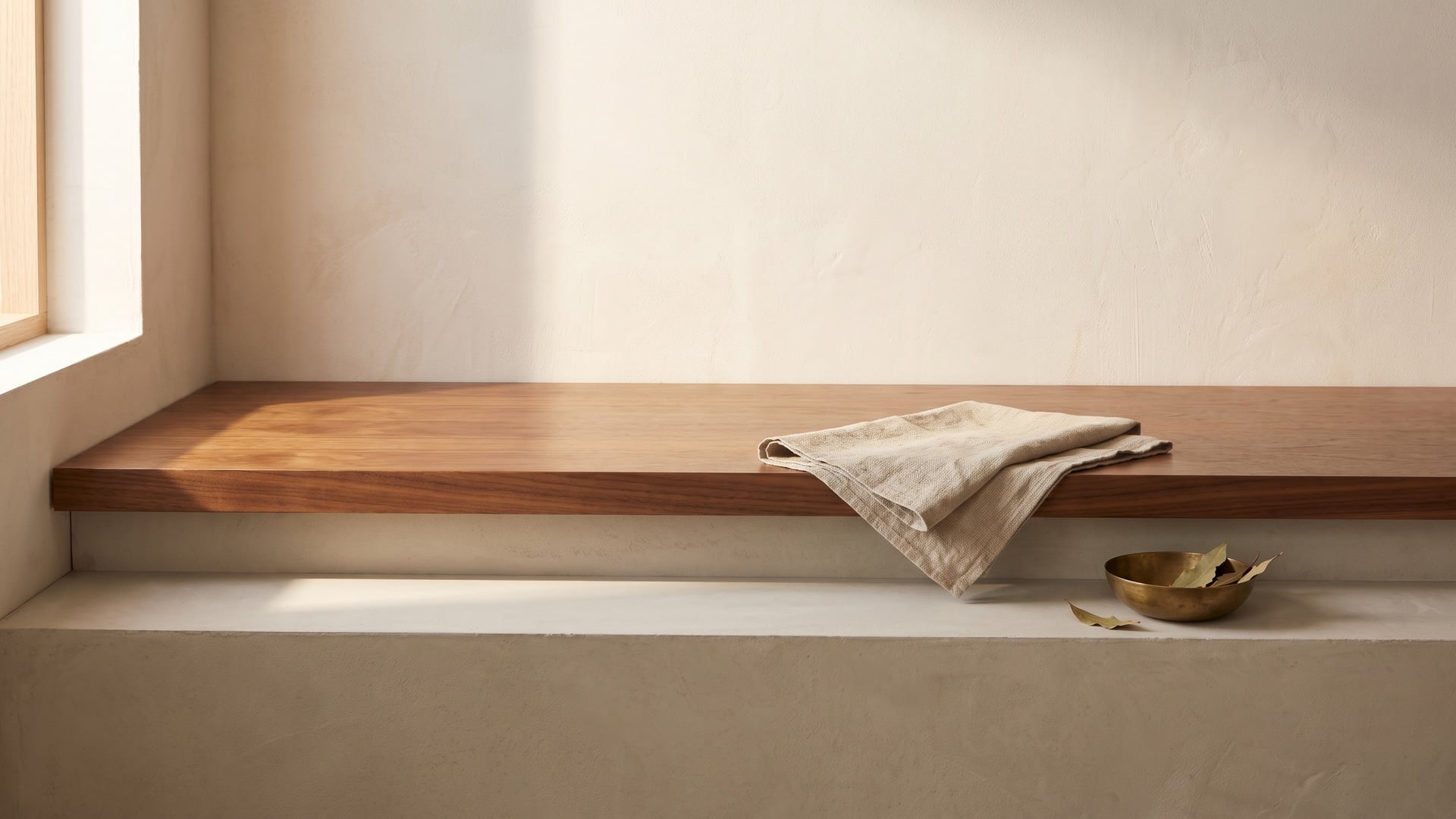
A veneer surface is one of the few things in a modern home that is genuinely alive. Beneath the sheen of a fine dining table or a wardrobe shutter lies a wafer-thin slice of real timber — the true outer face of a tree, its grain, figure and quiet colour shifts intact. It is not a printed picture of wood. It is wood. That single fact changes everything about how a piece behaves over the years: how it catches light, how it responds to the seasons, and how it rewards the small habits of care you give it.
We meet homeowners who treat their veneer with nervous reverence, afraid a stray drop of water will ruin it, and others who wipe it with whatever spray sits under the sink and wonder why it hazes within a year. Neither is necessary. Veneer is not delicate the way glass is delicate; it is a robust, forgiving material that simply asks to be understood. Look after it sensibly and it does something laminate never can: it grows more beautiful with age. This guide sets out how to make that happen, in an Indian home, over decades.
What veneer actually is — and why it rewards care
A decorative veneer is a very thin layer of real timber — often well under a millimetre — sliced from a chosen log and bonded to a stable core such as plywood, blockboard or MDF. That construction is deliberate. Solid timber is lovely but temperamental: it cups, splits and moves with the weather. Pressing a genuine wood face onto an engineered core keeps the honest beauty of the tree while gaining the flatness the core provides. It is the best of both worlds, and why veneered panels sit at the heart of so much premium furniture and joinery.
Because the surface is real wood, it carries real character: medullary rays in oak, the ribboned depth of walnut, the warm amber of teak. And because it is real wood, it ages. Exposed to light and air over years, timber oxidises and mellows into a patina no factory can supply on day one. This is the crucial difference from laminate, a printed decor sheet sealed under a hard synthetic film: durable and useful, but frozen in time, at best staying exactly as it began. Veneer improves. What you protect, then, is not a fragile finish but a living surface with decades of quiet transformation still ahead of it.
Everyday care: the habits that matter most
Most good veneer care is simply routine, and it costs almost nothing. The single most valuable habit is regular, gentle dusting with a soft, dry microfibre or cotton cloth. Household dust is faintly abrasive; left to build up and then wiped away in a hurry, those fine particles drag across the finish like the mildest sandpaper. Dusting little and often keeps grit from ever becoming a problem.
The details are easy to remember once you know why they matter:
- Always wipe along the grain, never across it. Any microscopic scratching then runs with the grain and disappears into it, rather than showing as a dull cross-hatch that catches the light.
- Damp-clean sparingly. For a spot that needs more than dry dusting, use a cloth wrung out until barely moist, then follow at once with a dry cloth. Never leave the surface wet, and never use a dripping cloth.
- Wipe spills the instant they happen. Water, tea, coffee, oil, a sweating cold glass — wood and standing water are not friends. Given time, moisture works into the finish at an edge or seam and causes staining or lifting. Speed is your best defence.
- Avoid silicone sprays and all-purpose polishes. They promise instant gloss but leave a film that builds up, attracts dust, clouds into a haze, and can interfere with proper waxing or refinishing later. Keep ammonia, thinners and harsh solvents well away too.
That is very nearly the whole of daily care. Dust gently along the grain, deal with spills at once, and resist the miracle-shine spray. Do only this and your furniture is already ahead of most.
The first enemy: direct sunlight
If everyday care is about good habits, protection is about guarding against two adversaries. The first is sunlight, and in India it is a serious one. Ultraviolet light is the great fader of timber, bleaching some species and darkening others — but the deeper problem is not overall change, it is uneven change. A table runner, a lamp base or a fruit bowl casts a shadow, and months later you lift it to find a pale ghost printed permanently into the wood where the sun never reached.
West- and south-facing rooms take the harshest beating from the long, strong afternoon sun, and the effect accumulates quietly until it is suddenly obvious. Guard against it deliberately:
- Use sheer curtains, blinds or shutters to soften direct beams during the fiercest hours of the day.
- Consider UV-filtering film on windows that receive relentless afternoon sun.
- Reposition freestanding pieces so no single face bears the full glare year after year.
- Rotate accessories, runners and bowls from time to time, so any natural mellowing happens evenly across the surface rather than in patches.
None of this means banishing your furniture to a dark corner — wood is meant to be seen in light. The aim is simply to keep exposure gentle and even, so the surface ages as one, gracefully.
The second enemy: heat and moisture
The second adversary arrives from the tabletop itself. Heat and trapped moisture produce the two injuries every wood owner dreads: the white ring and the lifted edge. A hot serving bowl, a fresh mug of chai, a laptop left running, a dish straight off the hob — each can leave a cloudy mark where warmth and moisture become trapped in the finish, or soften it outright. A cold glass sweats a puddle that, left sitting, seeps in and stains.
The remedies are unglamorous and completely effective. Use coasters under every glass, trivets and mats under anything hot from the kitchen, and placemats on surfaces in daily use. Whenever moisture appears, wipe it away and dry the spot rather than let it linger. It is worth knowing the two kinds of ring: a white or cloudy mark usually means moisture trapped in the finish, which can often be coaxed out; a dark mark means it has reached the wood beneath and is a harder, sometimes professional, repair. Prevention, with a coaster and a quick wipe, is far easier than either cure.
Refreshing the finish, every year or two
Daily care keeps a veneer clean; periodic feeding keeps it deep and alive. Every year or two, depending on use, treat the surface to a quality wood wax or the conditioner your manufacturer recommends. Think of it as nourishment rather than cleaning: it revives the depth and glow of the grain, evens the sheen where handling has worn it, and lays down a fresh sacrificial layer that takes the knocks so the wood does not.
A few principles keep this simple and safe:
- Clean first. Dust and lightly wipe the surface so you are feeding the wood, not sealing grime into it.
- Apply thinly and buff along the grain. A little wax spread thin, allowed to haze, then buffed with a soft cloth, does far more than a thick, sticky coat.
- Match the product to the finish. A lacquered or PU-sealed veneer asks for different care than an oiled one. When unsure what your piece was finished with, ask the maker rather than guess with a random supermarket polish — we would far rather answer that question than repair the wrong product's aftermath.
This modest ritual, done a handful of times across a decade, is the difference between a surface that merely survives and one that visibly deepens and enriches with the years.
The quiet advantage: real wood can be repaired
Here is where being real wood pays a dividend laminate cannot match. Because the surface is genuine timber, most everyday damage is a repair, not a replacement. A light scratch can often be cleaned, treated with a matching wax stick or touch-up, and buffed until it vanishes into the grain. A dulled patch can be re-waxed back to life. In a professional's hands, a worn tabletop can sometimes be lightly refreshed and recoated, coming back looking years younger.
Contrast that with laminate: a scratch through the decor layer exposes the substrate, and because the pattern is printed rather than grown, it cannot be blended away. The damage is permanent. The honest caveat is that a veneer face is thin, so aggressive sanding is out and a deep gouge is a job for a specialist — but the principle holds. With real wood, minor mishaps are usually reversible, and that repairability is one of the strongest reasons to choose veneer and care for it well.
Living with India's humidity swings
No discussion of wood care in India is complete without the weather. Our climate swings hard — from the bone-dry heat of the pre-monsoon weeks to air so saturated during the rains you can almost drink it, sometimes within a month. Timber and its finish feel every bit of that airborne moisture, and it is the swing, more than any single extreme, that stresses furniture.
Through the monsoon, high humidity risks swelling, edge lifting where a glue line is exposed, mustiness and even mould on a neglected surface. In the dry season, the opposite pull can shrink edges and joints. A few sensible measures keep pieces comfortable year round:
- Keep rooms ventilated and moving air; fans, air-conditioning or a dehumidifier all help take the edge off damp weeks.
- Do not push furniture flush against an external wall that sweats with condensation; leave a gap for air behind it.
- In the dry months, avoid parking a piece directly in the blast of a cold, drying air-conditioner vent.
- Coastal and non-air-conditioned homes need extra vigilance; salt air and unbuffered humidity are demanding, and a well-fed finish is your best shield.
The guiding idea is simple: steady is kind to wood. A good finish, sensible placement and a reasonably stable indoor climate matter far more than any product in a bottle. Spare your furniture the violent swings and it takes the seasons in its stride.
Your veneer care checklist
Everything above distils into a short routine you can keep by memory. Pin it somewhere if it helps:
- Dust gently, along the grain, with a soft dry cloth — little and often.
- Use coasters, trivets and placemats under everything wet or hot, every single time.
- Wipe spills the moment they land, then dry the spot; never leave standing water.
- Keep pieces out of sustained direct sun; use blinds or sheers on harsh windows.
- Rotate accessories and reposition pieces so any natural fading stays even.
- Skip silicone sprays and all-purpose polishes; they haze and build up.
- Damp-clean sparingly, with a barely-moist cloth, and dry immediately afterwards.
- Feed the finish with a suitable wax or conditioner every one to two years.
- Keep indoor humidity as steady as you can through monsoon and dry season alike.
- Address small scratches early; call a professional for deep damage before it worsens.
Alive, not fragile
It helps to change how you think about the surface entirely. Veneer is not a fragile thing to be feared and coddled; it is a living material to be lived with. Every habit here — the soft cloth along the grain, the coaster, the drawn blind, the occasional feed of wax — is simply a way of working with the wood rather than against it. None of them are a burden. They quickly become second nature, the ordinary rhythm of a home that owns something worth keeping.
The reward compounds. A well-cared-for veneer does not merely last; it deepens, warms and gathers a patina that tells the story of the years it has shared with you — a depth of character a printed surface can only imitate. Treat it right and the piece you buy today will be handsomer in twenty years than the day it arrived. That is the true nature of real wood: not delicate, simply alive, and at its most beautiful in the hands of someone who cares for it.